Participial Adjectives: Grammar Guide

by | May 20, 2024

Participial Adjectives: Grammar Guide – 

This video lesson offers rules and examples for understanding participial adjectives and using them to create great English sentences.

When working with participial adjectives, remember the rule: Use Present Participle (-ing) for CAUSE and Past Participle (-ed) for RESULT.

Some of the more common verbs that allow such adjectives include:

  •  alarm
  • amuse
  • astonish
  • bore
  • challenge
  • comfort
  • confuse
  • depress
  • disappoint
  • embarrass
  • excite
  • exhaust
  • fascinate
  • frighten

  • frustrate
  • inspire
  • intimidate
  • interest
  • puzzle
  • relax
  • satisfy
  • shock
  • surprise
  • tempt
  • threaten
  • thrill
  • tire

Thanks for watching this grammar guide!

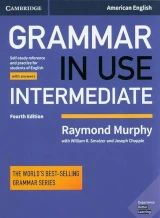
To continue building your grammar skills, be sure to see my favorite ESL grammar resource: Grammar in Use (American English) by Raymond Murphy (available on Amazon)

Also, be sure to check out some of my other posts for English Language Learners


Note: As an Amazon Associate, I earn from qualifying purchases, at no additional cost to you. Recommended resources are carefully selected and help support the operation of my blog.

Participial Adjectives Grammar Guide

Mark Pedrin

Mark Pedrin

Mark has been an English language instructor for over 25 years. He loves helping people develop new skills and understanding so that they can reach their personal, professional, and educational goals. Mark lives near Seattle, Washington with his wife, daughter, and one crazy cat.

More from ESL Advantage

Build Active Vocabulary: Mental Strategies and Quick Tips

Build Active Vocabulary: Mental Strategies and Quick Tips

Build Active Vocabulary: Mental Strategies and Quick Tips for English Learners Whether your English language ability is beginner, advanced, or somewhere in between, continuing to increase your vocabulary knowledge can feel very challenging. In the middle of a busy...

Vocabulary: Expressions, Idioms, Proverbs and Euphemisms

Vocabulary: Expressions, Idioms, Proverbs and Euphemisms

Expressions, Idioms, Proverbs, Euphemisms and Adages: What’s the Difference? The English language includes many colorful phrases that hold a special meaning.  For example, most language learners know the words 'hit' and 'book', but when someone says, "It's time to hit...

Polite English: 3 Common Mistakes When Saying Please

Polite English: 3 Common Mistakes When Saying Please

Polite English: 3 Common Mistakes When Saying Please - Everyone recognizes the importance of being polite, whether it's in your first or second language. This is the reason that two of the first English expressions people learn are "please" and "thank you." In...